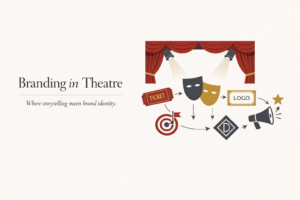

Branding is often misconstrued as something such as a logo, a set of colors, or visual identity. Though critical to a company, this is only a fraction of what branding entails. Branding is a reflection of how a company is perceived, remembered, and trusted by consumers. Branding is essentially the entire experience consumers have with a company.
In the current competitive market, a company that adopts effective branding makes a remarkable impression and embeds itself in the minds of consumers.
Understanding the True Meaning of Branding
Branding is an identity that a business has. It involves design, communication, values, tone, user experience, and reputation. Each time a customer interacts with the brand, either online or physically, it builds the identity that the customer has of that brand.
“A logo can introduce a brand, while branding determines how that brand is perceived in people’s minds.”
Key Elements Beyond a Simple Logo
Branding Identity
Brand identity encompasses not just visual elements like a logo, typography, color schemes, and design style but also consistency across digital and print platforms that will help in the creation of recognition.
Brand Voice and Messaging
The tone and language of communications define how a brand speaks to its audience. Whether formal, friendly, or authoritative in tone, consistency of messaging creates trust and clarity.
Brand Values and Positioning
What a brand stands for is as important as how it looks. Precise values and positioning allow customers to connect with the brand on an emotional level and align themselves with the brand's purpose.
Why Strong Branding Matters to Businesses
- Ensures trust is established and credibility.
- Creates strong brand recognition
- Differentiates your business from competitors
- Supports marketing and sales efforts
- Encourages customer loyalty
Encourages customer loyalty
Branding is something which evolves whenever a business is developing or changing under the current market variations. Equity is built over time with consistent branding, making the brand more important and valuable.
Businesses with great branding are much more likely to be remembered, recommended, and chosen over their rivals.
Conclusion
While a logo may be a visual representation of your brand, branding in itself defines who you are as a business. The depth of branding understood and invested in by companies forms stronger relationships with their audience, leading to sustainable growth.