LinkedIn Is Boring Only If You Are
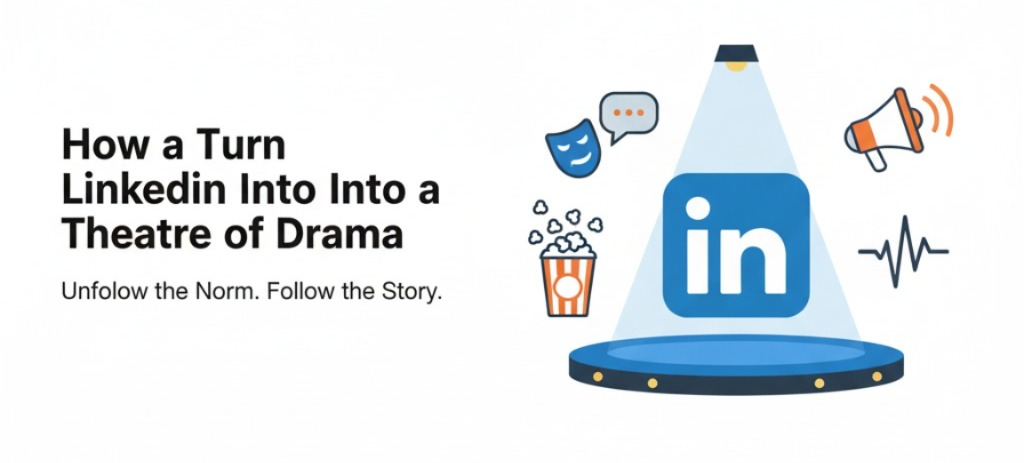
How to turn Linkedin into theatre of drama
LinkedIn has a reputation for being stiff. Although the platform was built for professionals, it now rewards personality more than polish. Because audiences crave emotion, storytelling, and authenticity, LinkedIn has quietly become a stage. Odd bosses thrive on stages. They don’t just post — they perform.
When leaders treat LinkedIn like theatre, their content becomes magnetic. As a result, their posts travel further, their voice becomes sharper, and their brand becomes unforgettable.
Why LinkedIn Needs More Drama
Drama isn’t chaos. It’s emotional contrast.
Drama Cuts Through Corporate Noise
Corporate language puts people to sleep. Because drama introduces tension, it wakes the feed up instantly. This tension makes your message impossible to ignore.
Drama Makes Stories Stick
Stories with emotional highs and lows stay in memory longer. Although facts matter, feelings spread. Consequently, dramatic posts outperform neutral ones.
The Psychology Behind LinkedIn Drama
Drama works because it taps into human instincts.
People Respond to Vulnerability
Vulnerability creates connection. Because people crave honesty, dramatic storytelling feels refreshing. This emotional openness builds trust quickly.
People Love Narrative Tension
Tension creates curiosity. When a post hints at conflict, readers stay longer. As a result, engagement increases naturally.
How to Turn LinkedIn Into a Theatre of Drama
Drama requires structure, not chaos.
Start With a Hook That Feels Like a Plot Twist
The first line decides everything. Because LinkedIn truncates long posts, your opener must hit hard. A dramatic hook forces people to expand the post.
Use Emotional Contrast Throughout the Story
Contrast creates movement. Whether it’s failure vs. success or fear vs. courage, emotional swings make your content memorable. Consequently, your story feels alive.
Add Exaggeration Strategically
Exaggeration amplifies emotion. Although it must remain grounded, a heightened tone makes your message more dramatic. This amplification strengthens impact.
Write Like You’re Speaking to an Audience
LinkedIn is a stage. When you write with rhythm, pacing, and presence, your posts feel like performances. As a result, your voice becomes recognizable.
End With a Mic‑Drop Insight
The ending shapes the memory. Because people remember the final line, a mic‑drop moment increases shares and saves.
Types of Drama That Work on LinkedIn
Different dramatic styles serve different goals.
The Hero’s Journey Post
This format turns your experience into a story. Because it highlights struggle and growth, audiences relate instantly.
The Confession Post
Confessions feel raw. Although they require courage, they build deep trust. Consequently, they generate strong engagement.
The Hot‑Take Post
Hot takes spark conversation. Since they challenge norms, they attract attention quickly.
The Exaggerated Workplace Moment
Workplace drama is universal. When you dramatize everyday chaos, people feel seen.
Why Most LinkedIn Posts Fail
Most posts fall flat because they lack emotion.
They Sound Robotic
Robotic language kills connection. Because it feels generic, people scroll past instantly.
They Avoid Conflict
Conflict creates tension. When posts avoid it, they lose power. Consequently, engagement drops.
They Don’t Use Storytelling
Stories move people. Although data matters, stories make data meaningful.
Examples of LinkedIn Drama Done Right (H2)
Founders Sharing Their “Almost Gave Up” Moment
These posts hit hard. Because they reveal vulnerability, they build loyalty.
Leaders Turning Failures Into Plot Twists
Failure stories feel human. As a result, they attract massive engagement.
Creators Using Humor to Exaggerate Corporate Life
Humor disarms. When creators dramatize meetings, deadlines, or office chaos, the feed reacts instantly.
The Odd Boss Philosophy: LinkedIn Is a Stage, Not a Resume
Odd bosses don’t treat LinkedIn like a CV. They treat it like theatre. Although professionalism matters, personality matters more. Because people follow energy, dramatic storytelling becomes a strategic advantage.
LinkedIn drama isn’t about being messy. Instead, it’s about being memorable. It’s about turning your insights into scenes. It’s about performing your brand with intention.
Conclusion: Drama Is the New Professionalism
LinkedIn has changed. The platform no longer rewards neutrality. It rewards emotion, storytelling, and boldness. Because drama creates connection, leaders who embrace it rise faster.
When you turn LinkedIn into a theatre, your content becomes unforgettable. That shift transforms your brand, your influence, and your audience
Ready to Turn LinkedIn Into Your Stage?
If you want a LinkedIn presence that feels bold, dramatic, and impossible to ignore, you’re ready for the Odd Boss approach.
👉 Partner with My Odd Boss to craft a LinkedIn identity that performs, provokes, and captivates. Let’s turn your feed into a theatre of drama.