Introduction to Business Meets
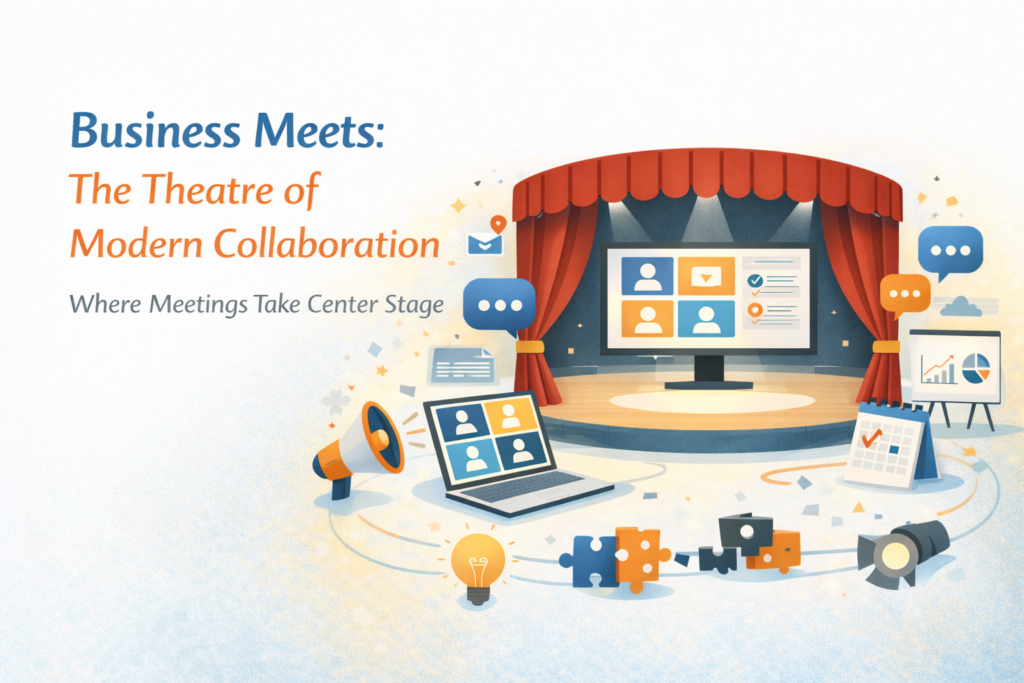
Business meetings are not dull gatherings; instead, they are stages of performance. Because audiences crave energy, business meets must dramatize collaboration. While traditional meetings whisper logic, odd bosses scream theatre. Consequently, business meets become not chores but opportunities for spectacle.
Odd bosses don’t settle for monotony; rather, they dramatize presence. Therefore, business meets are not about minutes and notes; instead, they are about impact and memory.
The Psychology of Business Meets
Emotion in Business Meets
Emotion drives recall, and business meets amplify emotion deliberately. Therefore, participants remember the gasp, the laugh, the shock, and the roar rather than the bullet points. Moreover, emotion transforms meetings from obligation into theatre.
Identity in Business Meets
Identity fuels belonging, and business meets dramatize personality. Consequently, teams rally behind leaders who feel eccentric, theatrical, and authentic rather than faceless managers. Furthermore, identity transforms meetings into tribes.
Surprise in Business Meets
Surprise jolts the brain, and odd bosses thrive on shock. Therefore, participants replay the twist long after the agenda ends. In addition, surprise magnifies engagement, so meetings spread faster than logic ever could.
The Science Behind Business Meets
Neurological Insights
Because dopamine spikes during spectacle, participants feel rewarded. Moreover, the amygdala prioritizes emotional experiences, so theatrical meetings dominate recall. Consequently, emotional arousal strengthens synaptic connections, and memory becomes durable.
Behavioral Economics
Distinctiveness bias ensures odd meetings stand out, while scarcity effect magnifies urgency. Additionally, social proof attracts followers when meetings go viral. Therefore, business meets that embrace oddness outperform those that remain invisible.
Historical Roots of Business Meets as Theatre
Oddness and spectacle have always ruled collaboration. For instance, medieval councils dramatized power, Renaissance guilds exaggerated rituals, and modern boardrooms staged authority. Consequently, business meets became the natural engines of decision-making. Moreover, audiences expected theatre, so leaders delivered.
Case Studies: Business Meets in Action
Apple and Odd Launch Meetings
Apple dramatized product launches with cultural spectacle. Because audiences craved innovation, Apple transformed meetings into events. Consequently, fandom became obsession.
Tesla and Odd Visionary Meetings
Tesla dramatized ambition with eccentric presentations. Since automotive brands usually play safe, Tesla exaggerated rebellion. Therefore, meetings became theatre, not routine.
Supreme and Odd Scarcity Meetings
Supreme dramatized drops with unpredictable chaos. Because fashion thrives on hype, Supreme exaggerated scarcity. Consequently, meetings became hysteria, not planning.
Red Bull and Odd Adrenaline Meetings
Red Bull dramatized thrill with extreme spectacles. Since beverage brands usually stay safe, Red Bull staged theatre. Therefore, meetings became spectacle, not beverage.
Duolingo and Odd Humor Meetings
Duolingo dramatized humor with absurd skits. Because learning apps usually play serious, Duolingo embraced comedy. Consequently, meetings became entertainment, not education.
Interesting Topic: Theatre Meets Business Collaboration
Business meets are not silence; instead, they are theatre. Because audiences remember spectacle, odd bosses become performers. Consequently, ruling collaboration means staging rebellion, dramatizing identity, and exaggerating presence.
How Odd Bosses Transform Business Meets Strategically
Shock Campaigns in Meetings
Shock provokes emotion, and participants remember the jolt. Therefore, odd bosses dominate recall.
Scarcity Campaigns in Meetings
Scarcity dramatizes urgency, and participants act instantly. Consequently, odd bosses magnify conversions.
Lifestyle Campaigns in Meetings
Lifestyle dramatizes aspiration, and participants imagine themselves inside unique communities. Therefore, odd bosses magnify loyalty.
Humor Campaigns in Meetings
Humor dramatizes oddness, and participants share content widely. Consequently, odd bosses magnify virality.
Framework: How to Harness Odd Business Meets
Steps to Implement Odd Meeting Strategy
- Identify cultural triggers, and amplify them.
- Align meetings with values deliberately.
- Balance spectacle with clarity consistently.
- Stage meetings as theatre strategically.
- Measure emotional impact continuously.
Risks of Odd Business Meets
Excessive Oddness
Too much oddness feels chaotic. Consequently, participants disengage.
Miscommunication
Oddness exaggerates meaning. Therefore, misuse sends wrong signals.
Alienation
Oddness feels niche. Consequently, mainstream participants risk exclusion.
The Odd Boss Philosophy: Owning Business Meets
Odd bosses don’t chase invisibility. Instead, they dramatize rebellion. Although safe meetings feel predictable, odd meetings feel alive. Because people follow energy, spectacle becomes empire.
Odd bosses transforming business meets is not failure. It is strategy. It is rebellion. It is theatre. When businesses embrace oddness, they stop whispering and start commanding attention.
Conclusion: Business Meets as Theatre
Audiences don’t remember the quiet agenda; instead, they remember the outrageous stunt. They don’t replay the technical jargon in their minds; rather, they replay the theatre. Business meets becoming theatre is the thunderclap that shakes memory, the lightning bolt that burns itself into imagination, the tidal wave that sweeps away conformity, the earthquake that cracks open tradition, and the wildfire that consumes mediocrity.
When odd bosses transform business meets, they don’t just survive they hypnotize. They don’t just persuade they possess. They don’t just inform they ignite. Participants will forget the numbers, the charts, the rational offers. However, they will remember the gasp, the laugh, the shock, and the roar.
Business meets as theatre are not decoration. They are the weapon. They are the crown. They are the empire. Leaders that dare to stage oddness in meetings become unforgettable legends, while those clinging to safety vanish into obscurity. Odd bosses do not fuel growth quietly; instead, they detonate it. They do not whisper opportunity; rather, they scream empire.
The Odd Boss Guide to Business Meetings
Business meetings are often seen as dull, predictable, and draining. However, Odd Boss believes they can be transformed into performances dramatic, joyful, and unforgettable. Here’s how to stage meetings that people actually want to attend.
“Why Walk In When You Can Make an Entrance?”
Forget quiet hellos. Start with energy—music, a bold story, or a surprising prop.
- Transition: As a result, the room shifts from routine to anticipation.
“The Question That Turns Heads”
Instead of slides, open with a question so bold it feels theatrical.
- Transition: Consequently, participants lean in, waiting for the drama to unfold.
“When Agendas Become Plot Twists”
Don’t just list topics—frame them as acts in a play. Each item should feel like a reveal.
- Transition: In contrast, ordinary agendas lull people into boredom.
“The Villain Everyone Loves to Defeat”
Introduce a problem as the villain of the meeting—whether it’s inefficiency, confusion, or missed opportunities.
- Transition: Therefore, the team rallies together like heroes in a story.
“The Shock Line That Wakes the Room”
Drop a bold statement mid‑meeting—something unexpected that sparks debate.
- Transition: As a result, energy spikes and ideas flow faster.
- “The Carnival Mirror of Ideas”
Encourage exaggeration—wild metaphors, dramatic pitches, playful storytelling.
- Transition: Moreover, exaggeration makes ideas memorable instead of forgettable.
“The Joyful Break That Feels Like Theatre”
Add a playful intermission—games, quick challenges, or dramatic role‑play.
- Transition: Consequently, people return energized instead of drained.
- “The Standing Ovation Moment”
End with a powerful call‑to‑action that feels like a finale.
- Transition: Ultimately, participants leave buzzing with excitement, not yawning with relief.
🎤 Final Bow
Business meetings don’t have to be lifeless they can be staged as performances. Odd brands know that when meetings feel like theatre, people don’t just attend they remember, retell, and act.
Lorem ipsum dolor sit amet, consectetur adipiscing elit. Ut elit tellus, luctus nec ullamcorper mattis, pulvinar dapibus leo.