Branding Is Theater: How to Turn Your Business to a Stage where the Customers Cheer.
In the current hyper competitive market place, products are readily duplicated, prices are readily replicated, and advertisements are readily overlooked. Experience is not something that is easily copied. How the customer experiences your brand whether online or in-store or in the customer care has become the actual differentiator.
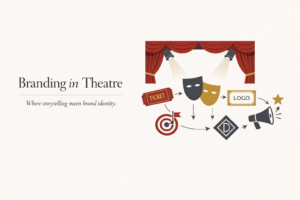
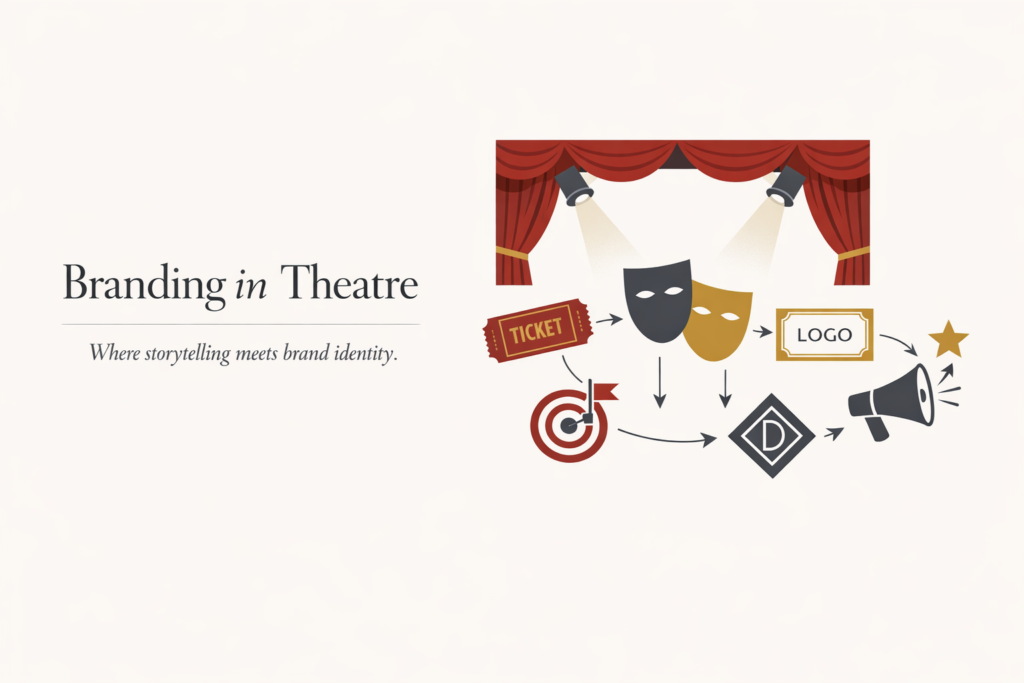
When it comes to branding, this is where the concept of branding as theater comes in As with any big stage production, strong brands are mesmerizing and they convey with gripping stories and make people demand an encore. They orchestrate all the interaction moments to bring emotional attachments. The customers do not simply purchase them, they believe in them, refer to them and visit them over and over again. In this article we will find out how to transform your business to a place where customers applaud, interact and become loyal fans.
Understanding the Concept: Why Branding Is Like Theater
It is not only about actors uttering lines in theater. It is a well-thought-out experience that implies:
- Script (story)
- Cast (employees)
- Setdesign(environment)
- Costumes (visual identity)
- Lighting and sound (mood)
- Audience engagement
Likewise, branding does not consist of a logo or a slogan. It is the accumulation of all the interactions of a customer with your business.
As soon as customers enter your store, turn on your web site or contact support, customers are in your theater. It is your responsibility to ensure all the elements come together and create a memorable performance.
A good performance has its foundation on a good script. This script in branding is your brand story.
What Is a Brand Story?
Your brand story answers three fundamental questions:
Why do you exist?
Who do you serve?
What problem do you solve?
It is not about how you started in a garage (unless it matters). It is about why customers should care
The question of how to write your brand script.
The most interesting brand story will consist of:
The Hero: Your client, and not your business.
The Issue: One of their pains.
The Guide: Your brand
The Solution: The product or service that you offer.
The Transformation: The outcome of using your brand.
Example structure:X is a problem of our customers. We understand that. We designed Y so that they can attain Z.
Everything, including your advertising campaigns and your websites should be based on this story. Your Employees Are the CastIn drama, the finest script can never work with bad actors. The same is true in business
Your employees are your star players. They bring your brand to life.
The reason why the behavior of staffs influences brand perception.
- Customers remember:
- How they were treated
- How problems were handled
- Whether they felt valued
A single uncivil encounter will ruin all the marketing over the years.Performance Casting and Training.
Casting and Training for Performance
To build a strong “cast”: Recruit based on attitude, develop skill.
- Instruction in brand values, not tasks.
- Enable employees to resolve issues.
- Reward exceptional service
The companies such as Ritz-Carlton and Disney are known to train their employees in order to provide them with regular quality experiences.
The Stage Design of your Environment.
Even the design of the stage imbues the atmosphere before even a single word has been uttered. This is the same case with environment in branding.Physical Spaces
In case you have a physical location, you should consider:
- Layout
- Lighting
- Cleanliness
- Music
- ScentSignage
These are factors that affect the subconscious feelings of customers.
Apple Stores, e.g. are relaxed, contemporary and inventive. That is not accidental. It reaffirms their promise of a brand.
Digital Space
Your stage also includes your website, app and social media.
Ask yourself:
Is navigation intuitive?
Does the design represent your personality?
Is it quick and tablet informed?
Does it feel trustworthy?
Disorienting web pages are such as a shoddily constructed set they do not concentrate on the performance.
Props and Costumes: Identity Matters.
Costumes and props in theater are an instant way of communicating character. This is what is termed as your visual identity in branding.
Designing for Emotion
Colors and fonts evoke feelings:
Blue: trust, stability
Red: excitement, urgency
Green: growth, sustainability
Serif fonts: tradition
Sans-serif: modernity
Choose visuals that align with your story.
Choreographing the Customer Journey
A great performance flows seamlessly from scene to scene. So should your customer journey.
Mapping the Journey
List every touchpoint:
Discovery (ads, search, social)
First impression (website, store)
Purchase
Onboarding
Support
Retention
Advocacy
At each stage, ask:
What is the customer feeling?
What do they need?
How can we exceed expectations?
Designing “Wow” Moments
Memorable brands include surprise elements:
Handwritten notes
Unexpected upgrades
Personalized messages
Fast problem resolution
These moments become stories customers share.
Lighting and Sound: Setting the Emotional Tone
In theater, lighting and sound shape mood. In branding, tone and communication do the same.
Your Brand Voice
Is your brand:
Formal or casual?
Playful or serious?
Bold or comforting?
Your voice should be consistent across:
Emails
Ads
Website
Social media
Support chats
Emotional Resonance
People don’t remember features. They remember feelings.
A warm, empathetic tone builds trust. A cold, robotic tone destroys it.
Audience Participation: Turn Customers into Co-Stars
Modern theater often breaks the “fourth wall.” Great brands do the same.
They involve customers.
Ways to Encourage Participation
User-generated content
Reviews and testimonials
Social media challenges
Community forums
Loyalty programs
When customers feel seen and heard, they become emotionally invested.
They stop being spectators and become advocates.
Rehearsals: Testing and Improving Your Performance
Even Broadway shows rehearse constantly.
Your brand should too.
Continuous Improvement
Customer feedback
Surveys
Analytics
Mystery shoppers
A/B testing
Identify weak scenes and rewrite them.
Learning from Mistakes
Mistakes happen. What matters is response.
A sincere apology and quick fix can strengthen loyalty more than a flawless experience.
Consistency: Delivering the Same Great Show Every Time
Audiences return when they know they’ll get quality.
Brand consistency builds trust.
Standardizing Excellence
Create:
Service guidelines
Brand manuals
Training programs
Quality checks
This doesn’t mean robotic behavior. It means reliable excellence.
Case Studies: Brands That Mastered the Stage
Disney: The Ultimate Brand Theater
Every detail—from staff language (“cast members”) to park cleanliness—is designed for magic.
Visitors aren’t customers. They’re guests.
Starbucks: The Third Place
Starbucks designed its stores as comfortable “third places” between home and work, reinforcing emotional connection.
Nike: Storytelling at Scale
Nike doesn’t sell shoes. It sells inspiration and identity.
“Just Do It” is a script that millions perform daily.
Practical Steps to Turn Your Business into a Stage
Step 1: Audit Your Current Performance
Experience your business as a customer.
Step 2: Define Your Story
Clarify purpose, values, and promise.
Step 3: Train Your Cast
Align employees with your mission.
Step 4: Design Your Stage
Optimize physical and digital environments.
Step 5: Create Signature Moments
Build memorable experiences.
Step 6: Measure and Improve
Track satisfaction and loyalty.
Conclusion:
Creating Standing Ovations, Not Just Sales
Branding is not about shouting the loudest.
It’s about performing the best.
When you treat every interaction as part of a carefully designed experience, customers notice. They feel respected, inspired, and connected.
They don’t just clap politely.
They stand up.
They cheer.
They come back.
And they bring friends.
Your business becomes more than a place to buy.
It becomes a stage where memories are made.