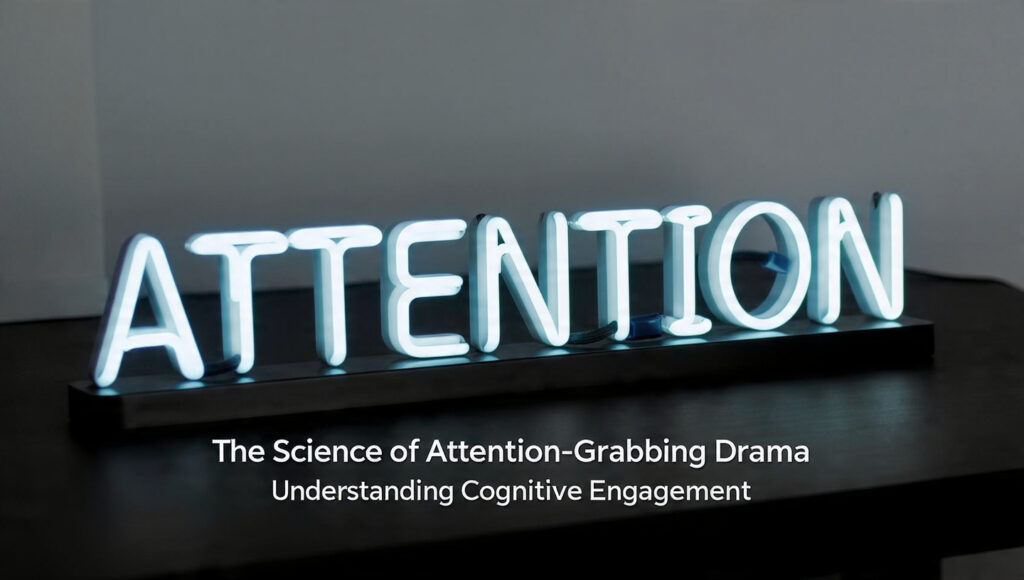
The Science of Attention‑Grabbing Drama
Drama is not chaos; it is chemistry. Brands often confuse drama with noise. Although noise irritates, drama captivates. Because audiences scroll endlessly, only drama rooted in science grabs attention. The science of attention‑grabbing drama doesn’t whisper elegance it screams theatre.
When brands embrace drama strategically, they stop decorating and start performing. As a result, they dominate feeds, provoke emotion, and convert audiences
The Science of Attention‑Grabbing Drama in Branding
Drama is not decoration. It is persuasion.
The Science of Attention‑Grabbing Drama for Attention
Attention is scarce. Because dramatic branding exaggerates contrast, it hooks audiences instantly. This capture increases engagement.
(Example: Supreme’s chaotic drop culture creates frenzy by breaking supply rules.)
The Science of Attention‑Grabbing Drama for Emotion
Emotion drives loyalty. Although subtle branding feels calm, dramatic branding provokes stronger reactions. Consequently, audiences remember it longer.
(Example: Diesel’s “Be Stupid” campaign provoked laughter and shock, embedding itself in cultural memory.)
The Science of Attention‑Grabbing Drama for Storytelling
Stories shape memory. Because drama creates narrative arcs, it guides audiences toward action. This guidance increases conversions.
(Example: Nike’s “Just Do It” dramatizes defiance, turning slogans into stories of empowerment.)
The Psychology Behind The Science of Attention‑Grabbing Drama
Drama works because it manipulates instincts.
Surprise Triggers the Brain
Neurological studies show novelty activates reward centers. Because drama exaggerates surprise, it keeps audiences engaged. This engagement fuels discovery.
Conflict Amplifies Emotion
Conflict intensifies impact. Although safe branding hides tension, drama magnifies it. Consequently, audiences feel compelled to act.
Novelty Creates Memory
Novelty excites the brain. Since drama feels fresh, it sticks in memory. This stickiness builds recognition.
(Expanded with consumer psychology: dopamine spikes from novelty, oxytocin from vulnerability, adrenaline from shock.)
Historical Roots of Attention‑Grabbing Drama
Drama in branding is not new.
- Punk Fashion in the 1970s: Vivienne Westwood’s anarchic designs shocked society.
- Guerrilla Marketing in the 1980s: Jay Conrad Levinson’s disruptive campaigns turned sidewalks into stages.
- Viral Stunts in the 2000s: Flash mobs and guerrilla theatre blurred lines between art and advertising.
- Social Media Chaos Today: Duolingo’s owl antics, Wendy’s Twitter roasts, and TikTok spectacles prove drama dominates feeds.
Case Studies: The Science of Attention‑Grabbing Drama in Action
Here’s an anthology of brands that mastered drama. Each story shows how science and theatre combine.
Gucci’s Maximalist Chaos
Gucci abandoned minimalism for maximalist chaos. Clashing prints, oversized silhouettes, surreal campaigns — all designed to shock. Because fashion had grown predictable, Gucci’s rebellion felt electric. Audiences didn’t just buy clothes; they bought theatre.
Diesel’s “Be Stupid” Campaign
Diesel told audiences to “Be Stupid.” Billboards showed outrageous stunts, daring audiences to embrace foolishness. Because society worships logic, Diesel’s rebellion felt liberating. The campaign sparked conversation worldwide, proving that rule‑breaking slogans can become cultural mantras.
Oatly’s Chaotic Typography
Oatly printed messy fonts and sarcastic copy directly on cartons. Instead of polished branding, it embraced chaos. Because food packaging usually whispers health claims, Oatly shouted rebellion. Audiences loved the honesty, posting cartons online. Typography became protest.
Benetton’s Shock Advertising
Benetton used shocking imagery: AIDS patients, war zones, interracial couples. Instead of safe fashion ads, it confronted global issues. Because brands usually avoid controversy, Benetton embraced it. The campaigns polarized audiences but sparked global debate.
Patagonia’s Anti‑Consumer Campaign
Patagonia told audiences: “Don’t Buy This Jacket.” Although absurd, the campaign highlighted sustainability. Because fashion thrives on consumption, Patagonia broke the rule by discouraging sales. Audiences respected the honesty, and loyalty soared.
Red Bull’s Extreme Chaos
Red Bull staged extreme sports spectacles: skydives, cliff dives, Formula One races. Because beverage brands usually stay safe, Red Bull broke rules by becoming an entertainment empire. Audiences loved the adrenaline theatre.
Ryanair’s Social Media Brutality
Ryanair mocked competitors and roasted customers on Twitter. Instead of polite corporate tone, it embraced sarcasm. Because airlines usually play safe, Ryanair broke rules with brutal honesty. Audiences laughed, shared, and engaged.
BrewDog’s Anti‑Corporate Beer Stunts
BrewDog launched “Equity for Punks,” inviting fans to buy shares. It staged outrageous stunts: taxidermy beer bottles, protest campaigns against big beer. Because breweries usually play traditional, BrewDog broke rules with chaos.
Supreme’s Drop Culture
Supreme released limited products in chaotic “drops.” Instead of steady supply, it embraced scarcity. Fans camped outside stores, resale markets exploded, and hype became theatre. Supreme proved that breaking rules of availability can create obsession.
Duolingo’s TikTok Owl Theatre
Duolingo’s green owl became a chaotic TikTok star. Instead of safe educational branding, it embraced absurd skits, memes, and rebellious humor. Because learning apps usually play serious, Duolingo broke rules with comedy.
Apple’s “Think Different” Rebellion
Apple told audiences to “Think Different.” Ads featured Einstein, Gandhi, and Picasso. Because tech brands usually highlight features, Apple broke rules by celebrating creativity.
Nike’s “Just Do It” Defiance
Nike told audiences to act without hesitation. Campaigns featured athletes defying odds, pushing limits, breaking barriers. Because sports brands often play safe, Nike broke rules by embracing raw defiance.
Framework: How to Use The Science of Attention‑Grabbing Drama Strategically
Drama must be intentional.
- Define the rule you’re breaking.
- Align rebellion with brand values.
- Amplify emotion deliberately.
- Balance shock with clarity.
- Prepare for backlash.
(Expanded with Odd Boss metaphors: stage, script, spotlight, curtain call.)
Risks of The Science of Attention‑Grabbing Drama
Drama must be controlled.
- Backlash & Cancel Culture: Pepsi’s Kendall Jenner ad showed how drama can misfire.
- Miscommunication of Identity: Abercrombie’s exclusivity backlash proved rebellion can alienate.
- Accessibility Concerns: Over‑chaotic design can exclude audiences.
(Expanded with recovery strategies: apology theatre, pivot campaigns, transparency.)
The Odd Boss Philosophy: Drama is Theatre, Not Chaos
Odd bosses don’t decorate. They dramatize. Although subtlety feels safe, drama feels alive. Because people follow energy, dramatic branding wins.
Drama is not failure. It is strategy. It is rebellion. It is theatre. When brands embrace it, they stop whispering and start commanding attention.
Conclusion: The Science of Attention‑Grabbing Drama Converts Because It Commands Emotion
Drama interrupts the scroll. It provokes emotion. It guides behavior. Because audiences crave intensity, dramatic branding dominates conversions.
When brands embrace drama strategically, they unlock new levels of recognition. That shift transforms their presence, their reach, and their influence.
Ready to Use The Science of Attention‑Grabbing Drama?
If you want branding that feels bold, theatrical, and impossible to ignore, you’re ready for the Odd Boss approach.
👉 Partner with My Odd Boss to craft dramatic branding strategies that shock, seduce, and dominate.
Let’s turn your brand into a performance