Chaos is the New Order in Design
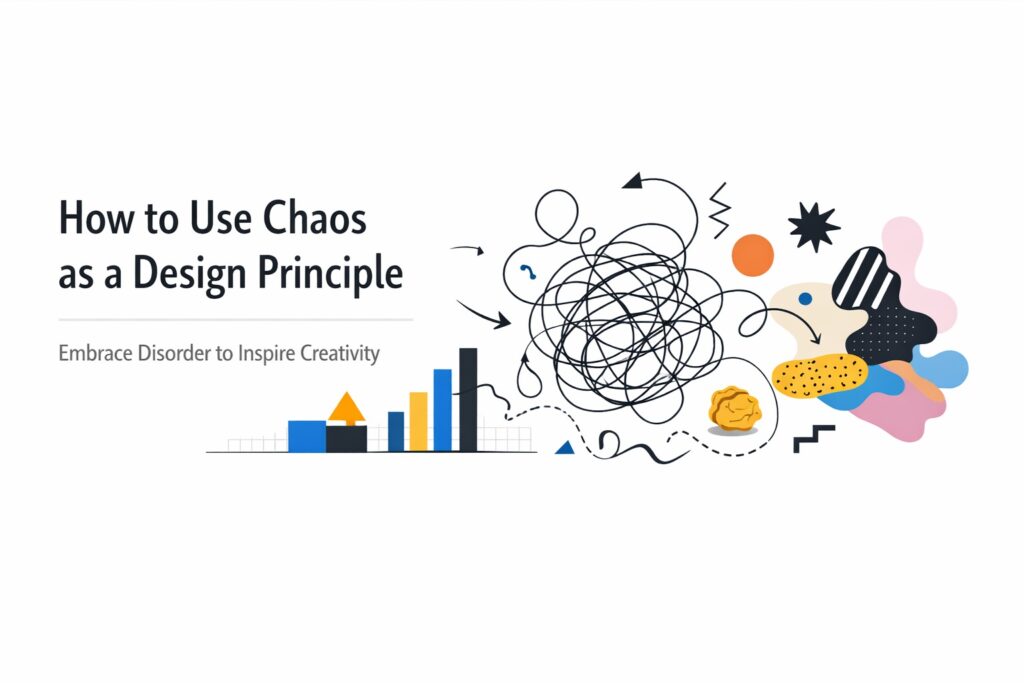
Design has long worshipped order. Although grids, symmetry, and minimalism once ruled, audiences now crave disruption. Because feeds overflow with polished sameness, chaos has emerged as a design principle that commands attention. Chaos doesn’t whisper balance it screams energy.
When brands embrace chaos strategically, they stop blending in. As a result, they dominate feeds, provoke emotion, and convert audiences.
Why Chaos as a Design Principle Works
Chaos is not randomness. It is deliberate disruption.
Chaos Interrupts the Scroll
Feeds are predictable. Because chaotic design breaks patterns, it forces attention. This interruption increases engagement.
Chaos Creates Emotional Impact
Emotion drives memory. Although orderly design feels calm, chaotic design provokes stronger reactions. Consequently, audiences remember it longer.
Chaos Sparks Curiosity
Curiosity fuels exploration. Because chaotic design feels unpredictable, audiences investigate. This investigation increases time on site.
The Psychology Behind Chaos as a Design Principle
Chaos works because it manipulates instincts.
Contrast Triggers the Brain
The brain notices difference. Because chaos exaggerates contrast, it keeps audiences engaged. This engagement fuels discovery.
Exaggeration Amplifies Emotion
Exaggeration intensifies impact. Although subtlety hides meaning, chaos magnifies it. Consequently, audiences feel compelled to act.
Novelty Creates Memory
Novelty excites the brain. Since chaos feels new, it sticks in memory. This stickiness builds recognition.
Elements of Chaos as a Design Principle
Chaos requires structure.
Bold Typography That Breaks Rules
Typography sets tone. Because chaotic fonts exaggerate personality, they dominate perception. This dominance builds recognition.
Clashing Colors That Shock
Colors shape emotion. Although muted palettes feel safe, chaotic palettes provoke. Consequently, dramatic colors increase engagement.
Unexpected Imagery That Defies Norms
Imagery tells stories. Because chaotic visuals break rules, they captivate audiences. This captivation drives conversions.
Dynamic Layouts That Disrupt Flow
Layouts shape journeys. Although grids feel predictable, chaotic layouts surprise. This surprise keeps visitors exploring.
Interactive Elements That Confuse Then Delight
Interaction fuels participation. Because chaotic websites invite clicks, scrolls, and movement, they increase involvement. This involvement boosts conversions.
Examples of Chaos as a Design Principle in Action
Chaos dominates iconic campaigns.
Fashion Brands Using Chaotic Imagery
Fashion thrives on drama. Because chaotic visuals exaggerate style, they drive sales.
Tech Brands Using Loud Typography
Tech thrives on clarity. Although information matters, chaotic fonts amplify authority. This amplification builds trust.
Entertainment Brands Using Cinematic Chaos
Entertainment thrives on immersion. Because chaotic layouts feel theatrical, they increase engagement.
Startups Using DIY Chaos
Startups thrive on disruption. Since chaotic design signals rebellion, it attracts attention quickly.
Why Orderly Design Fails Against Chaos
Order doesn’t dominate.
It Blends Into Background Noise
Orderly design feels neat. Because it doesn’t stand out, it fades quickly. This invisibility kills conversions.
It Lacks Emotional Punch
Emotion drives action. Although order feels calm, it doesn’t provoke. Consequently, it fails to inspire.
It Weakens Brand Personality
Personality builds loyalty. Since order hides identity, it weakens recognition. This weakness reduces growth.
How to Use Chaos as a Design Principle Strategically
Chaos must be intentional.
Start With a Bold Hook Hooks decide engagement. Because audiences judge instantly, chaotic openings stop the scroll. This stop increases exploration.
Use Emotional Contrast Throughout
Contrast creates movement. When design swings from calm to chaotic, audiences stay engaged. Consequently, conversions rise.
Add Exaggeration Strategically
Exaggeration amplifies emotion. Although subtlety hides impact, chaos makes it unforgettable. This amplification fuels action.
Guide Audiences Through Narrative Flow
Narratives shape journeys. Because chaotic design uses arcs, it guides behavior. This guidance increases conversions.
End With a Mic‑Drop CTA
Endings shape memory. Because visitors remember final moments, chaotic CTAs increase clicks. This increase drives sales.
Case Studies: Chaos as a Design Principle That Converts
Gucci’s Maximalist Campaigns
Gucci abandoned minimalism for chaotic visuals. Because maximalism feels rebellious, it attracts younger audiences.
Spotify’s Vibrant Green Chaos
Spotify uses bold green and chaotic layouts to signal vitality. Since minimalism would fade, chaos keeps the brand fresh.
Nike’s Dramatic Typography Chaos
Nike amplifies its slogan with chaotic fonts. Because order would weaken impact, chaos makes it iconic.
Netflix’s Cinematic Chaos
Netflix thrives on immersion. Because chaotic visuals exaggerate emotion, they dominate streaming culture.
The Risks of Chaos as a Design Principle
Chaos must be controlled.
It Can Overwhelm Audiences
Excessive chaos feels confusing. Because balance matters, brands must avoid overload. This avoidance protects trust.
It Can Miscommunicate Identity
Chaos exaggerates meaning. When brands misuse it, they send wrong signals. Consequently, identity suffers.
It Can Reduce Accessibility
Complex visuals hinder readability. Since accessibility matters, brands must balance chaos with clarity.
The Odd Boss Philosophy: Chaos is Theatre
Odd bosses don’t fear chaos. They choreograph it. Although order feels safe, chaos feels alive. Because people follow energy, chaotic design wins.
Chaos is not failure. It is strategy. It is rebellion. It is theatre. When brands embrace chaos, they stop whispering and start commanding attention.
Conclusion: Chaos as a Design Principle Converts Because It Commands Emotion
Chaos interrupts the scroll. It provokes emotion. It guides behavior. Because audiences crave intensity, chaotic design dominates conversions.
When brands embrace chaos strategically, they unlock new levels of recognition. That shift transforms their presence, their reach, and their influence.
Ready to Use Chaos as a Design Principle Like an Odd Boss?
If you want design that feels bold, theatrical, and impossible to ignore, you’re ready for the Odd Boss approach.
Partner with My Odd Boss to craft chaotic branding strategies that shock, seduce, and dominate.
Let’s turn your design into a performance.